


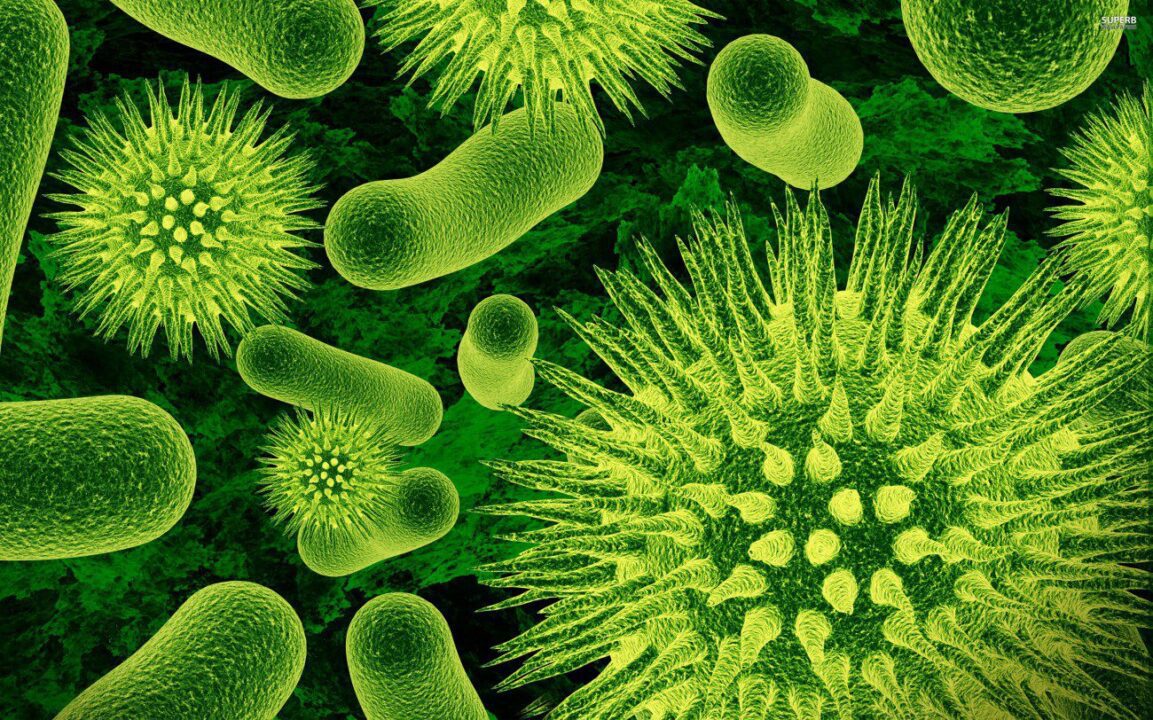
Our planet Earth harbors an astonishing diversity of life forms, ranging from microscopic bacteria, archaea, and protists to enormous animals like blue whales and sequoia trees. This article explores the vast spectrum of Earth’s biodiversity, how scientists categorize and study it, geographic hotspots, threats, and conservation efforts. It also includes tables comparing key features of major taxonomic groups and diversity across habitats.
- 1 Defining Biodiversity
- 2 Categorizing Life’s Diversity via Taxonomy
- 3 Major Branches on the Tree of Life
- 4 Geographic Hotspots of Biodiversity
- 5 Threats to Biodiversity
- 6 Conservation of Biodiversity
- 7 Comparing Major Animal Groups
- 8 Comparing Major Plant Groups
- 9 Frequently Asked Questions
- 9.1 How many total species exist on Earth?
- 9.2 What ecosystem has the most biodiversity?
- 9.3 What percentage of species are endangered?
- 9.4 Can new species evolve rapidly?
- 9.5 What extinct organism had the most impact on biodiversity?
- 9.6 Can biodiversity ever stop declining?
- 9.7 Does biodiversity increase from equator to poles?
- 9.8 Are there more trees or stars in the universe?
- 9.9 Can humans directly help biodiversity recover?
- 9.10 What is the economic value of biodiversity?
Defining Biodiversity
Biodiversity refers to the variety and variability of life on Earth. It exists at multiple overlapping levels, including:
- Genetic diversity – The range of genetic information contained in all living things, enabling adaptation and evolution.
- Species diversity – The number and variety of species, from bacteria through plants, animals, fungi and more. Over 1.5 million species have been identified to date.
- Ecosystem diversity – The diversity of ecological communities and their interactions as dynamic systems. Ranges from coral reefs to conifer forests.
- Functional diversity – The diversity of what organisms do in ecosystems, their ecological roles, niches, and biogeochemical functions.
These different layers combine to form the intricate web of life that has evolved and adapted over billions of years on our planet. Cataloguing and analyzing Earth’s astounding biodiversity remains a tremendous scientific challenge.
Categorizing Life’s Diversity via Taxonomy
To make sense of Earth’s overwhelming diversity, scientists use a taxonomic classification system to assign each organism a unique name and place it in a ranked hierarchical structure:
- Domain – The broadest rank, dividing life into Archaea, Bacteria, and Eukarya.
- Kingdom – Major groups for plants, animals, fungi, protists, and prokaryotes.
- Phylum – Large categories like vertebrates or flowering plants, dividing kingdoms.
- Class – Lower rank dividing phyla, e.g. mammals, birds, reptiles.
- Order – Further subdivision, e.g. primates, carnivores.
- Family – Closely related organisms, e.g. cats, dogs.
- Genus – A group of closely related species.
- Species – The fundamental unit in taxonomy, representing organisms that can interbreed.
This system provides a way to organize the living world and see how species relate as life evolved over time. Modern genetics complements traditional taxonomy by establishing quantitative evolutionary relationships.
Major Branches on the Tree of Life
At the kingdom level, Earth’s biodiversity can be broadly divided into five major branches:
Animals
Multicellular heterotrophs that ingest food. Over 1.5 million species have been described with complex adaptations like eyes, gills, wings, and more. Vertebrates (mammals, birds, reptiles, amphibians, fish) possess a backbone and internal skeleton. Invertebrates like insects, mollusks, and jellyfish lack a backbone.
Plants
Multicellular autotrophic organisms that harness light via photosynthesis. Over 300,000 species living on land and in water. Require sunlight, carbon dioxide, water, and minerals to grow.Include non-vascular plants (mosses), vascular plants (conifers, flowering plants), and seedless plants (ferns).
Fungi
Heterotrophic eukaryotes that feed by absorption. Fungal cells have chitin cell walls. Diverse roles as decomposers, pathogens, and mutualists. At least 120,000 species, likely many more remain undiscovered. Includes mushrooms, molds, yeasts, and lichens (which combine fungi and algae).
Protists
Diverse unicellular and simple muliticellular eukaryotes. Many protist lineages evolved before plants, animals, and fungi. Roles as photosynthesizers, decomposers, and pathogens. Over 100,000 species across algae, protozoa, slime molds, and more.
Prokaryotes
Unicellular organisms lacking nuclei and organelles. The archaea and bacteria. Archaea thrive in extreme environments. Bacteria inhabit nearly every habitat and perform essential ecosystem functions. Vast metabolic diversity; only a small fraction of species cultured.
Other Kingdoms
A few more obscure kingdoms exist, like Chromista, but the above five contain most of Earth’s known biomass and species. Less dominant groups reveal exceptional diversity at smaller scales, however.
Geographic Hotspots of Biodiversity
While life thrives across most of planet Earth, certain regions harbor exceptionally high concentrations of species. These biodiversity hotspots occur mainly in tropical forests and coral reefs:
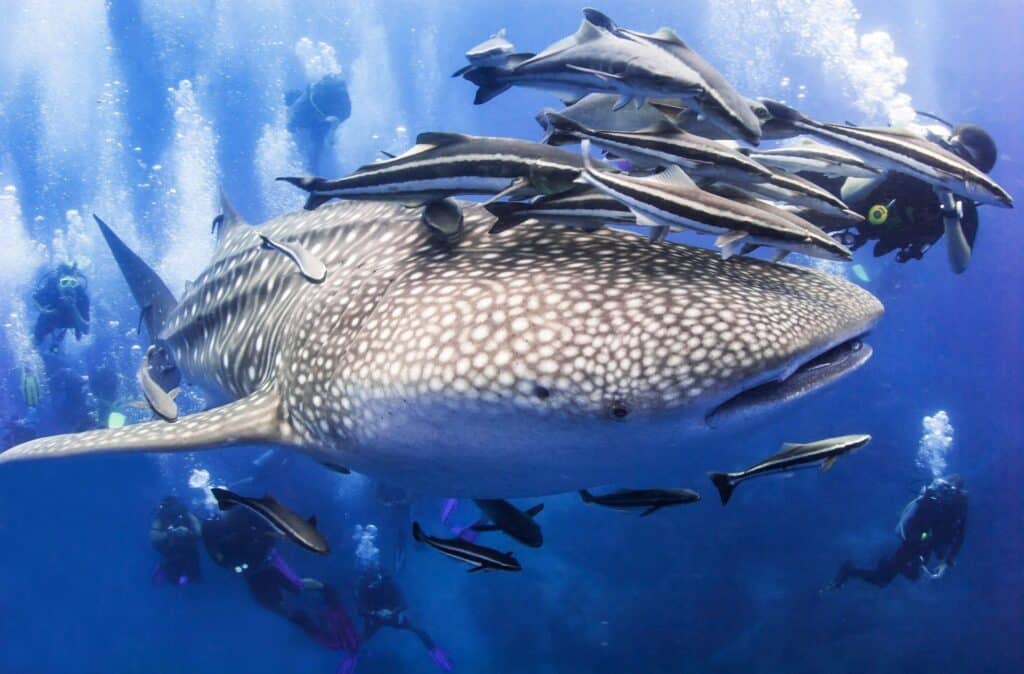
- Tropical Rainforests – Warm, wet, stable environments promoting rapid speciation. The Amazon, Congo Basin, and jungles of Southeast Asia are highly biodiverse.
- Coral Reefs – Although they cover <1% of the ocean, coral reefs nurture ~25% of all marine species. Great diversity of fish, invertebrates, and more.
- Mountains – Diverse ecosystems over steep elevational gradients. Sites like the Andes and New Guinea Highlands have many endemic species.
- Islands – Isolation leads to high rates of endemism. Madagascar, the Galapagos, and Polynesia showcase island biodiversity.
- Freshwater Wetlands – Lakes, rivers, and swamps harbor many unique flora and fauna. Sites like the Okavango Delta in Africa.
- Mediterranean Ecosystems – Hot spots coinciding with the Mediterranean climate zone, e.g. South Africa’s Fynbos.
Conserving these delicate ecosystems is crucial for preserving Earth’s biodiversity against growing threats.
Threats to Biodiversity
Many human activities endanger biodiversity through direct and indirect pressures:
- Habitat Loss and Fragmentation – Agricultural expansion, urbanization, land use change. Leads to reduction in population sizes, making species more vulnerable.
- Overexploitation – Unsustainable harvesting of resources like overfishing, unsustainable forestry, bushmeat hunting. Causes population declines.
- Invasive Species – Spread of non-native species that outcompete or prey on native ones. Alters ecosystems, causes extinctions.
- Pollution – Contaminants, nutrients, ocean acidification. Stresses species, reduces ecosystem health and resilience.
- Climate Change – Warming, disruptions to precipitation patterns and extreme weather alter habitats. Species must adapt, move, or face decline.
These anthropogenic pressures combine to drive alarming extinction rates up to 1000 times the natural background rate. One million animal and plant species now face extinction according to the latest UN IPBES report (2019).
Conservation of Biodiversity
Stemming and reversing biodiversity loss requires science-based conservation actions at many levels:
- Protected Areas – Designating parks, nature reserves, and protected zones to shelter habitats and species. Now covers 15% of land and 7% of oceans.
- Ecosystem Restoration – Active regeneration of degraded ecosystems and habitats through ecological restoration projects. Rewilding efforts expanding.
- Sustainable Use – Managing crops, fisheries, forestry and other resources sustainably to balance human needs with conservation.
- Species-focused Plans – Tailored conservation plans for endangered species, including captive breeding, reintroduction, migration corridor protection.
- Law Enforcement – Combating poaching, illegal wildlife trade, unauthorized fishing, and other prohibited activities.
- Education and Awareness – Engaging the public on biodiversity’s importance and how to reduce human pressures.
Protecting the intricate diversity of life requires perseverance across these interconnected efforts at both local and global scales.
Comparing Major Animal Groups
| Group | Key Adaptations | Habitats | Examples |
|---|---|---|---|
| Mammals | Hair, mammary glands, endothermy | Terrestrial, aquatic | Whales, bats, humans, anteaters |
| Birds | Feathers, wings, beaks | Terrestrial, aerial | Falcons, parrots, ostriches |
| Reptiles | Scaly skin, ectothermy | Terrestrial, aquatic | Turtles, snakes, alligators |
| Amphibians | Moist skin, metamorphosis | Aquatic, terrestrial | Frogs, salamanders |
| Fish | Gills, fins, jaws | Aquatic | Sharks, rays, seahorses |
| Insects | Exoskeleton, wings, metamorphosis | Terrestrial, freshwater | Beetles, ants, butterflies |
| Mollusks | Muscular foot, visceral mass | Marine, freshwater, terrestrial | Squid, clams, snails |
| Echinoderms | Spiny skin, tube feet | Marine | Sea stars, sea urchins |
Earth’s animals showcase a stunning range of body plans, physiology, and adaptations for acquiring food, avoiding predators, and reproducing in diverse habitats. From fish filtering food from the oceans to birds migrating hemispheres, animal diversity provides a testament to the creativity of evolution.
Comparing Major Plant Groups
| Group | Adaptations | Habitats | Examples |
|---|---|---|---|
| Mosses | Small, non-vascular, handle moisture fluctuations | Terrestrial, aquatic | Peat moss, feather moss |
| Ferns | Vascular, reproduce via spores | Forest understories, wet areas | Sword fern, bracken |
| Conifers | Seed plants, evergreen needle leaves | Forests, mountain regions | Pines, firs, redwoods |
| Flowering plants | Flowers, fruits, seeds | Nearly all habitats | Orchids, sunflowers, grasses |
| Algae | Diverse group of aquatic photosynthesizers | Oceans, lakes, wet areas | Kelp, seaweed, phytoplankton |
From towering redwoods to microscopic phytoplankton, plants display incredible adaptations to harness the Sun’s energy in diverse environments. Non-vascular plants marked early colonization of land while vascular plants unlocked new growth potentials. Flowering plants now comprise 90% of all plant species thanks to coevolution with animal pollinators.
Frequently Asked Questions
How many total species exist on Earth?
Scientists have described around 1.5 million species, but total estimates range from 10-100 million species or more. Much biodiversity remains undiscovered, especially among insects, prokaryotes, and small marine organisms.
What ecosystem has the most biodiversity?
Tropical rainforests likely harbor the greatest diversity, with rich species assemblages of plants, insects, birds, reptiles, amphibians, and mammals across several distinct forest layers.
What percentage of species are endangered?
Estimates vary, but approximately 25% of assessed plant and animal species are threatened with extinction according to the IUCN Red List. The percentage is much higher for certain groups like amphibians.
Can new species evolve rapidly?
Yes, especially in unstable environments and isolated habitats like oceanic islands that drive rapid speciation. But the number of new species appearing is far lower than those going extinct in the modern era.
What extinct organism had the most impact on biodiversity?
The earliest cyanobacteria that oxygenated Earth’s atmosphere completely transformed the planet’s biodiversity by enabling aerobic life. Most species alive today descended from organisms that only existed after this oxygenation.
Can biodiversity ever stop declining?
Theoretically, yes if pressures like habitat loss and overharvesting can be reduced in a sustained manner and conservation work continues restoring and protecting ecosystems. But the decline has only accelerated in recent decades.
Does biodiversity increase from equator to poles?
No, biodiversity typically peaks at tropical latitudes and declines toward temperate, boreal, and polar regions. The warmest areas with ideal rainfall like rainforests harbor the most species.
Are there more trees or stars in the universe?
There are far more stars, approximately 300 billion in our galaxy and trillions more beyond. Estimates place Earth’s total tree population around 3 trillion. However, there are likely millions more tree species than star varieties.
Can humans directly help biodiversity recover?
Absolutely. While many human activities harm biodiversity, conservation initiatives where people protect, restore, and reconnect habitats have demonstrable benefits for ecosystems and endangered species.
What is the economic value of biodiversity?
One 1997 study estimated the minimal value of key ecosystem services provided by biodiversity as $33 trillion per year, comparable to global GDP. Pharmaceutical and agricultural industries also rely directly on biodiversity.

1 Comment
Pingback: Shane Olson Car Accident: What Happened To De Motte Indiana Resident - Writtenupdated.Com - Your Source for Celebrity Bios, Net Worth, Cast Lists